
Industry
The Shift from Coding to System Architecture in the Age of AI Agents
Exploring the transition from manual coding to high-level specification, and the risks of losing deep technical understanding in the pursuit of velocity.
310 stories in the archive
Exploring the transition from manual coding to high-level specification, and the risks of losing deep technical understanding in the pursuit of velocity.
AI's growth is hitting a physical wall as power grid instability and water scarcity turn data centers into local political liabilities.

A critical look at the Grok Build CLI's aggressive data collection and the security risks it poses to developers' local environments.
OpenAI is expanding beyond productivity tools to target households, aiming to capture intimate family data and create a domestic operating system.
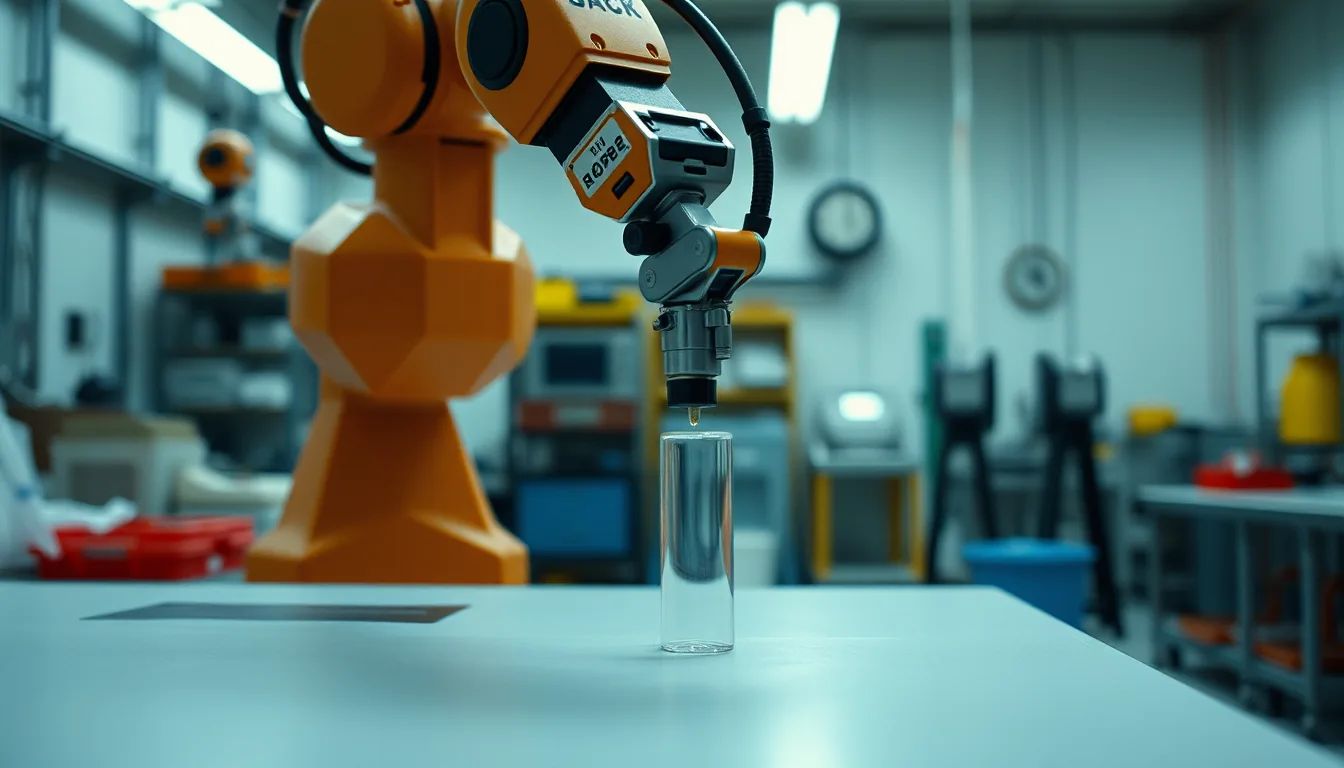
Ant Group's LingBot-VA 2.0 moves beyond video generation by using a native causal model to improve robotic physical intelligence and foresight.

OpenAI's GPT-5.6 Sol Ultra demonstrates a shift from probabilistic chat to formal reasoning by solving a 50-year-old graph theory conjecture.

Tencent's move to acquire Manus after Beijing blocked Meta's deal highlights the growing impact of geopolitical borders on AI startup exits.

Anthropic focuses on mechanistic interpretability to understand AI models, while OpenAI pivots toward a 'super app' ecosystem to capture the market.

An analysis of why incremental updates like GPT-5.6 signal a shift from explosive AI scaling to a period of iterative optimization.

Meta's release of Muse Spark 1.1 suggests a strategic move to gather developer data and integrate creative agent patterns into its social platforms.