OpenAI is finally admitting that software alone won’t win the AI war. For years, the narrative has been about the weights, the tokens, and the compute. But if you control the model and not the glass the user looks through, you’re just a feature in someone else’s operating system. Hiring the guy who ran the Vision Pro isn’t a talent acquisition; it’s a confession that the current interface—the chat box—is a dead end.
Hardware is a brutal business. It is not just about a sleek design or a fancy demo; it is about the grueling reality of supply chain logistics and the risk of producing a million units of something that nobody actually wants. (I’ve seen enough failed gadgets to know the pain). By poaching Meade, OpenAI isn’t just buying a resume; they’re buying the institutional knowledge of how to scale a high-end wearable without bankrupting the company. But there is a catch. OpenAI is a research lab that turned into a product company, whereas Apple is a hardware company that happens to do software. Those cultures are fundamentally opposed. One moves fast and breaks things; the other spends three years obsessing over the radius of a corner.
Why leave Apple now? The Vision Pro is a technical marvel, but it’s currently a luxury toy for people who enjoy wearing a battery pack on their hip. It is like building a Formula 1 car for a world that mostly drives minivans. Meade likely sees the writing on the wall. If the goal is to integrate AI into the physical world, you don’t want a device that requires a developer ecosystem to be rebuilt from scratch. You want a device that is an extension of the model itself. If OpenAI can build a device where the AI isn’t an app, but the actual operating system, they bypass the App Store tax and the restrictive guardrails of iOS.
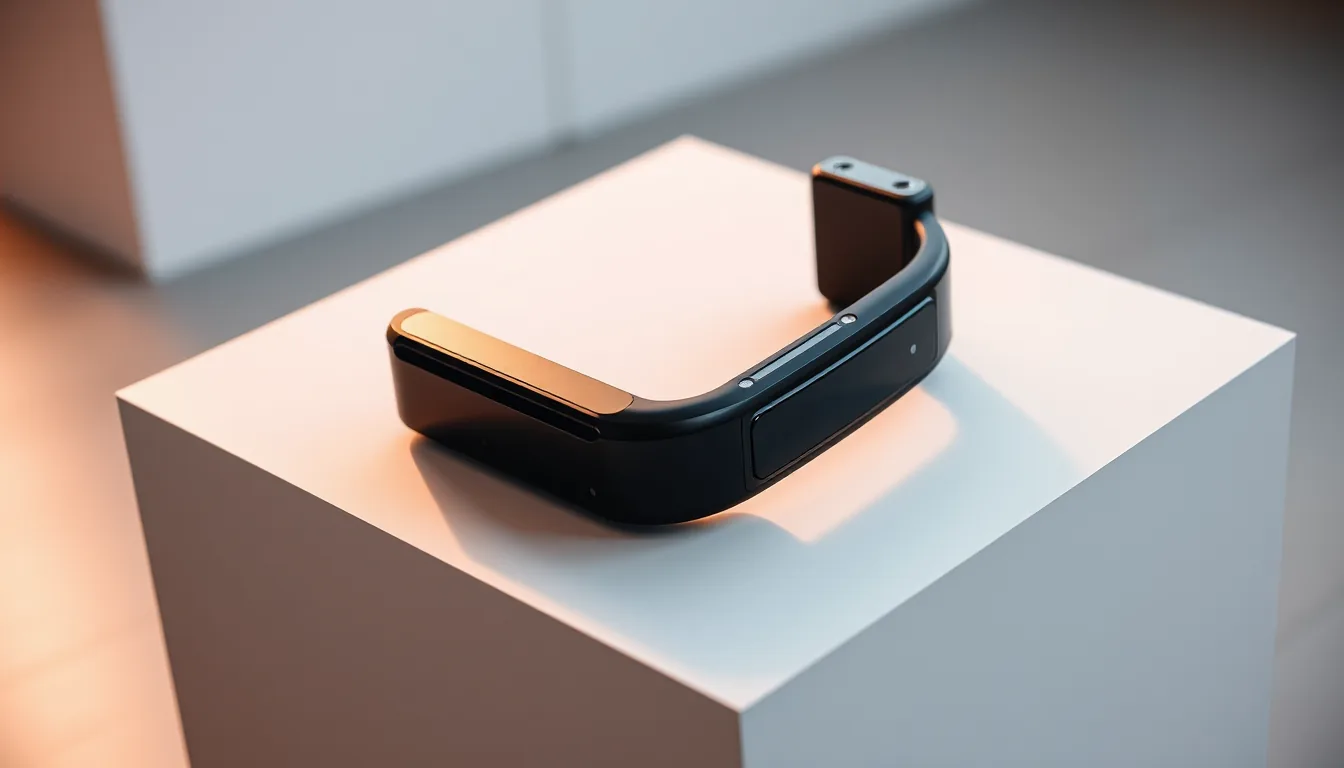
We have to ask: who actually wants another pair of glasses on their face? Most of us are still struggling with the weight of standard frames. The friction here isn’t the AI; it’s the physics. This move suggests OpenAI is eyeing something beyond a simple AI pin or a clumsy headset. They are likely chasing a seamless wearable that can handle real-time multimodal input without the latency that makes current voice assistants feel like they’re thinking through a straw. According to TechCrunch, this shift is a clear signal of intent. But let’s be real—trying to jump from LLMs to consumer electronics is like trying to build a car when you’ve only ever designed the engine. You can have the most efficient combustion in the world, but if the chassis rattles and the wheels fall off at 40 mph, nobody is buying.
This isn’t just a hire; it’s a roadmap. I predict OpenAI will announce a limited developer preview of a dedicated wearable device by Q3 2027. It won’t be a polished consumer product—it’ll be a developer kit that looks like a science project—but it will be the first time we see an AI model designed specifically for hardware constraints rather than just being squeezed into a mobile chip via an API. If they can nail the latency and the thermal profile, they don’t just compete with Apple; they make the current version of spatial computing look like a clumsy transition phase. Or maybe not—see below. The history of “AI hardware” is a graveyard of pendants and pins that promised the world and delivered a glorified voice recorder.
OpenAI is buying a map, but they still have to walk the road.