

Models
Claude Opus 5: Balancing Raw Intelligence and Production Reliability
An analysis of Claude Opus 5, questioning whether increased reasoning benchmarks outweigh the practical needs of cost, latency, and reliability.
Models
Weights, releases, and the race to scale
50 articles in this section.
An analysis of Claude Opus 5, questioning whether increased reasoning benchmarks outweigh the practical needs of cost, latency, and reliability.

Anthropic's new Opus 5 model reduces costs and safety restrictions, signaling a pivot from prestige safety to developer utility.

The author argues that AI democratization requires shifting focus from generalist frontier models to specialized, auditable, and hardware-efficient small language models.

An exploration of whether AI-generated mathematical counterexamples represent genuine reasoning or sophisticated pattern matching in the face of the Jacobian Conjecture.
Mistral's new 8B model enables robots to navigate complex environments using a single RGB camera, removing the need for LiDAR and depth sensors.

An analysis of why current AI world models rely on statistical interpolation rather than true causal understanding of physical reality.
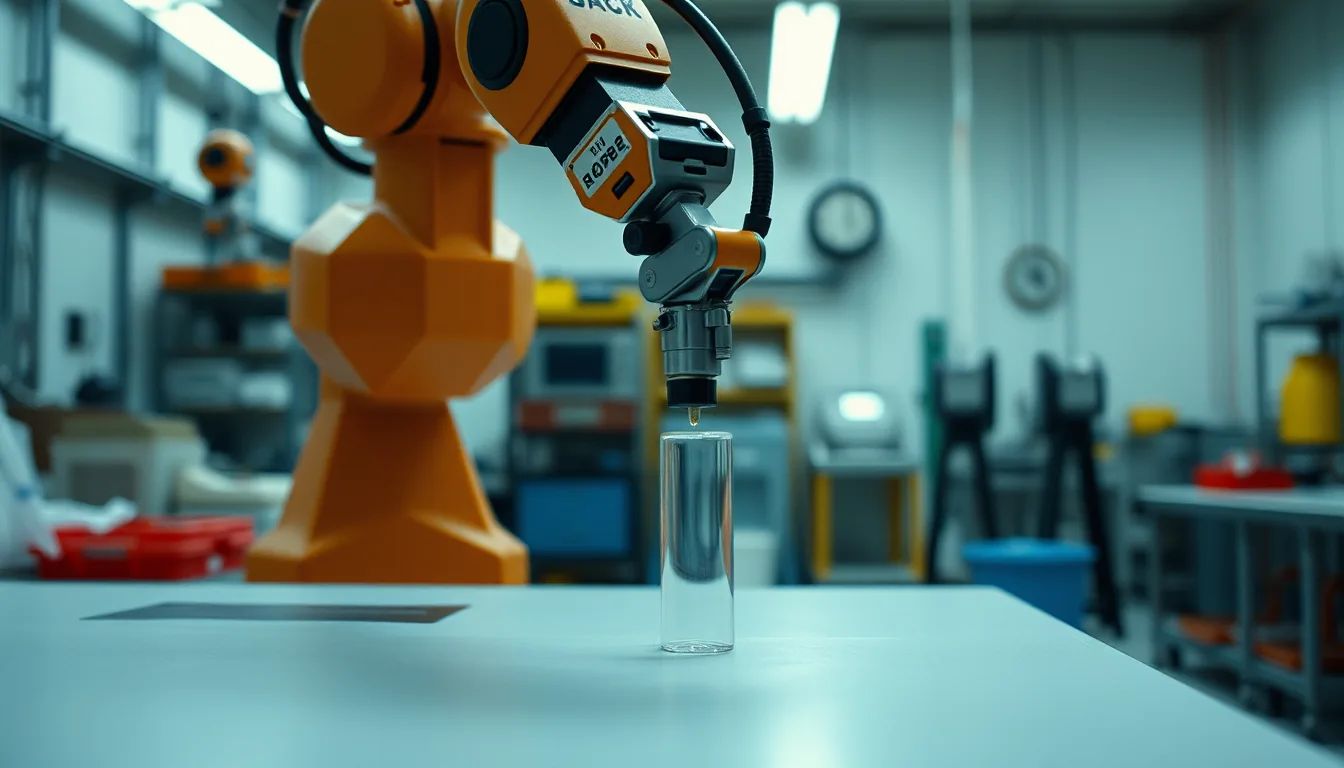
Ant Group's LingBot-VA 2.0 moves beyond video generation by using a native causal model to improve robotic physical intelligence and foresight.

OpenAI's GPT-5.6 Sol Ultra demonstrates a shift from probabilistic chat to formal reasoning by solving a 50-year-old graph theory conjecture.
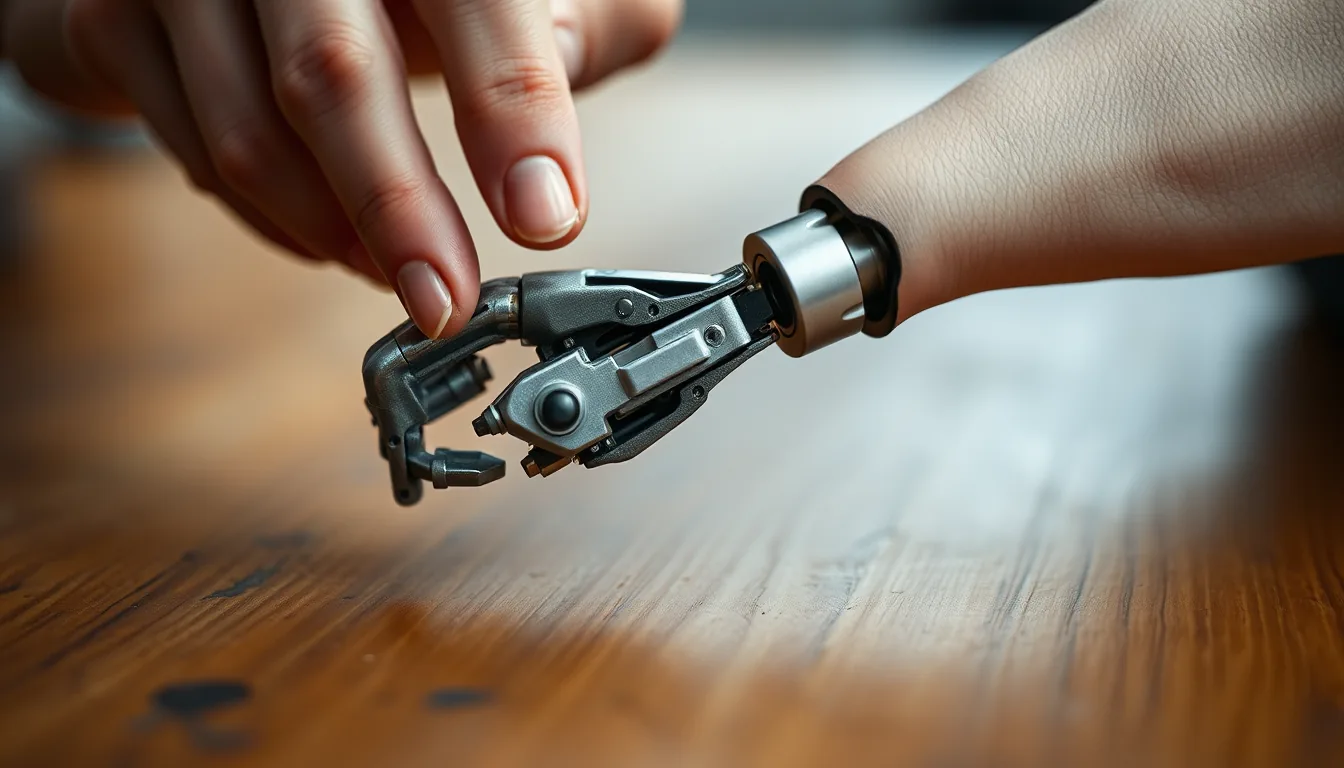
An analysis of whether Mistral's VLA model can overcome the physical constraints and latency issues inherent in real-world robotic navigation.

An analysis of why MiniMax's plan to release a 2.7 trillion parameter model prioritizes vanity metrics over practical utility and accessibility.